How Injection Molding Works
Part and Mold Design
Design analysis is strongly recommended to optimize your tooling and part design and improve manufacturability. This process often uncovers issues that need to be addressed, such as insufficient draft, thick-to-thin wall transitions, and poorly designed bosses. These issues should be resolved before tooling construction begins. Gates, cooling, and ventilation are also important considerations during the tooling design process.
Molding Process
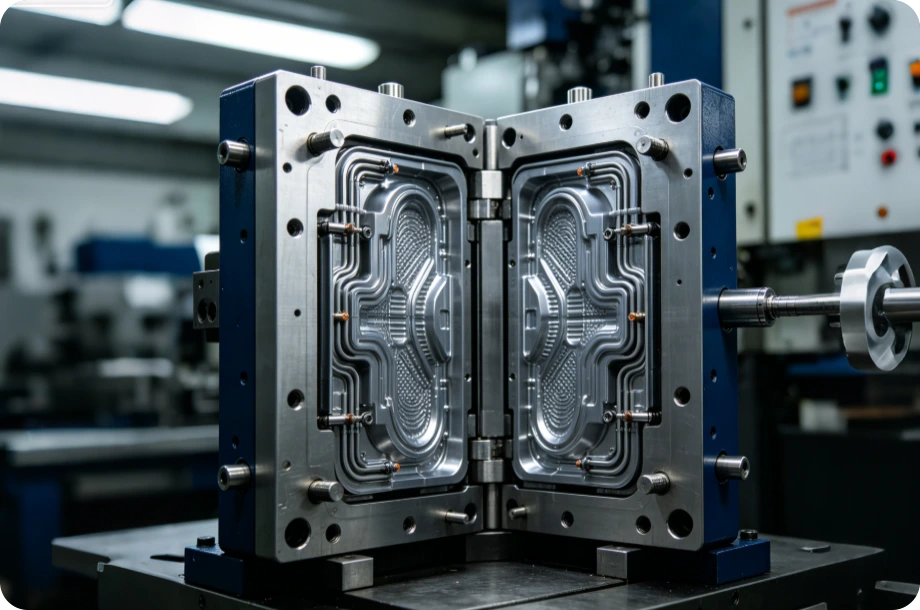
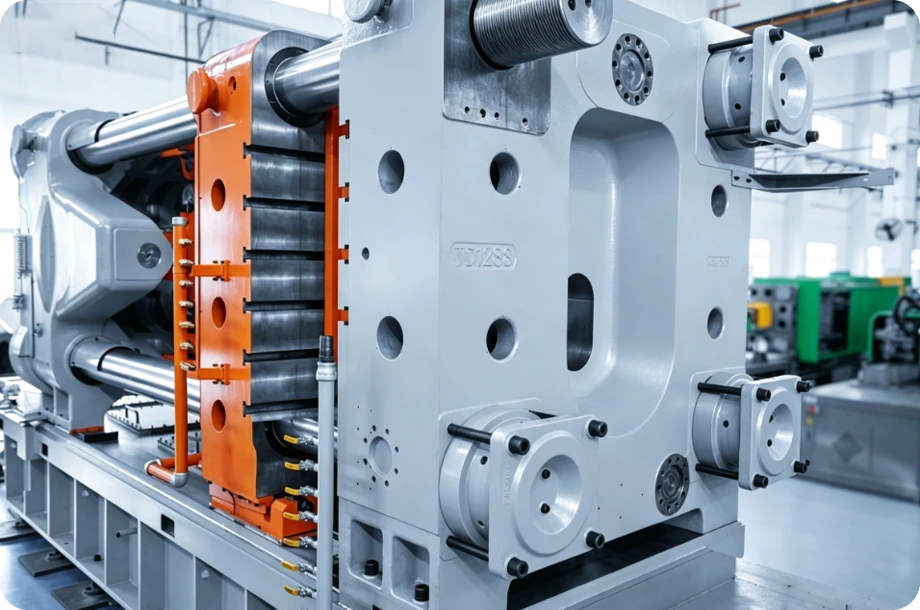
Plastic granules are placed in a heated chamber where they melt. The two halves of the mold are clamped tightly together. Molten plastic is injected into the closed mold cavity under high pressure through the runner and gating system. Precise calculations of material quantity and pressure ensure complete resin filling of the mold. Built-in cooling channels in the mold facilitate rapid cooling. The part is then ejected.
Post-Processing
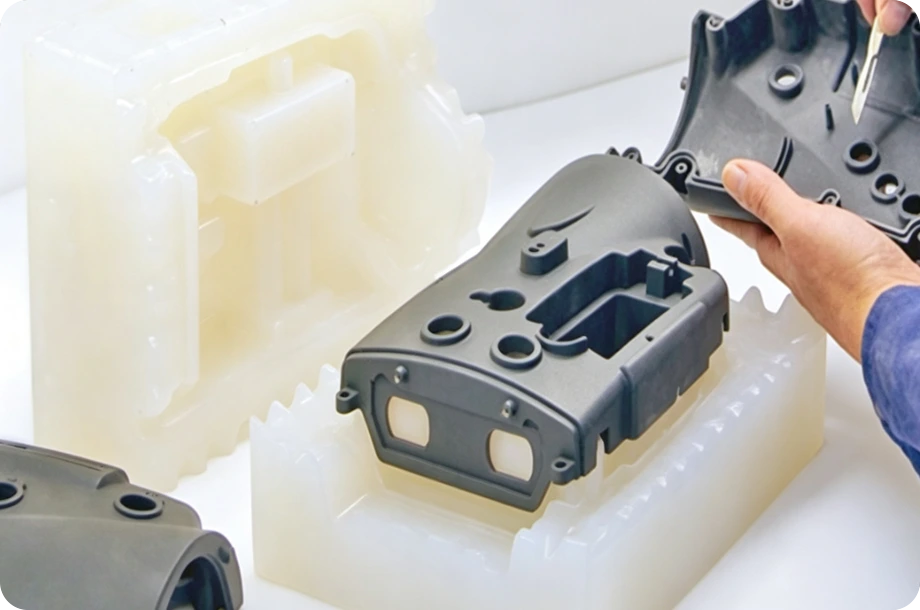
As a first step, any runners or waterproofing plates are trimmed from the newly molded part. If inserts are not placed in the mold, they can be heat-fused to the plastic for easier assembly with other parts. They can also be ultrasonically welded to other parts. Injection molded parts can be painted and often pad-printed or laser-marked to add labels and instructions.
Advantages of Injection Molding

High-Volume Production
Injection molding is extremely efficient for producing large quantities of identical parts, with cycle times that can be as short as a few seconds.
Precision & Consistency
Injection molding produces parts with tight tolerances and a high degree of consistency from one part to the next.
Design Flexibility
Injection molding enables you to create complex and intricate designs with fine details.
Low Cost Per Part
For large production runs, the cost per unit is very low, making it ideal for mass manufacturing.
Low Labor Costs
Injection molding is highly automated, requiring only one operator to manage multiple machines, which significantly reduces labor costs.
Is Injection Molding Right for Your Application?
Injection molding is one of the most common manufacturing methods in the world. Its versatility means it has a place in many industries.

Medical
Injection-molded parts are commonly used in surgical tools, including scalpel handles, forceps, and clamps. They are also found in knee, hip, and dental implants. Finally, injection-molded parts are used in medical devices such as MRI machines.

Automotive
The versatility of injection molding and the durability of the parts it produces mean they are found almost everywhere in the interiors and exteriors of today’s cars: for example, bumpers, dashboards, cup holders, wheel covers, and mirror housings.
Electronics
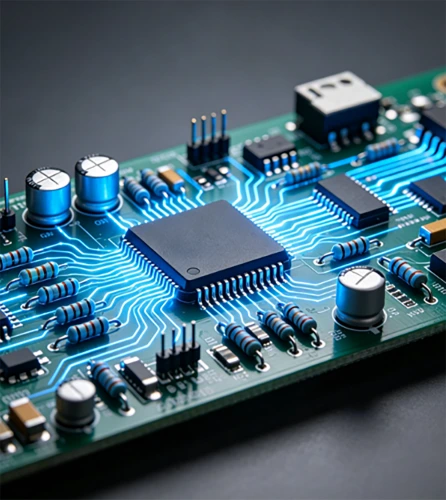
Look for injection-molded parts in device housings and enclosures, computer and related equipment housings, electrical switches, battery housings, and network cable connectors.
Injection Molding Materials
We offer a broad range of thermoplastic and thermoset materials, each selected for its performance characteristics and suitability for different applications.
ABS
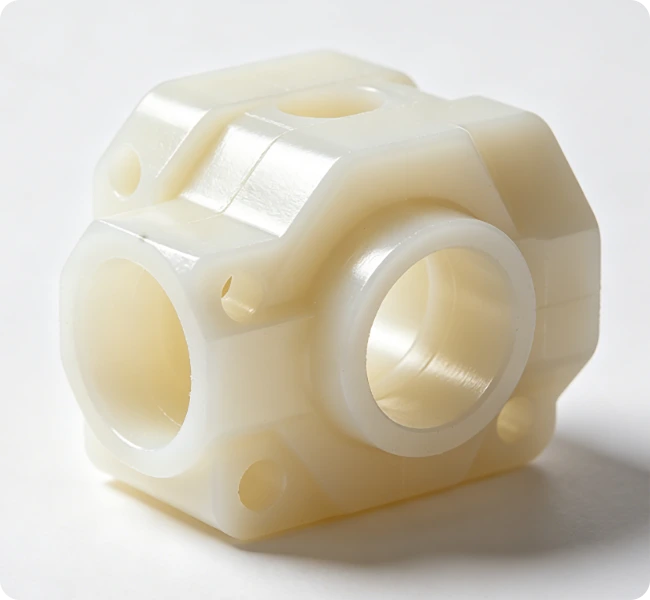
Tough, impact-resistant plastic for housings and consumer components.
Polypropylene
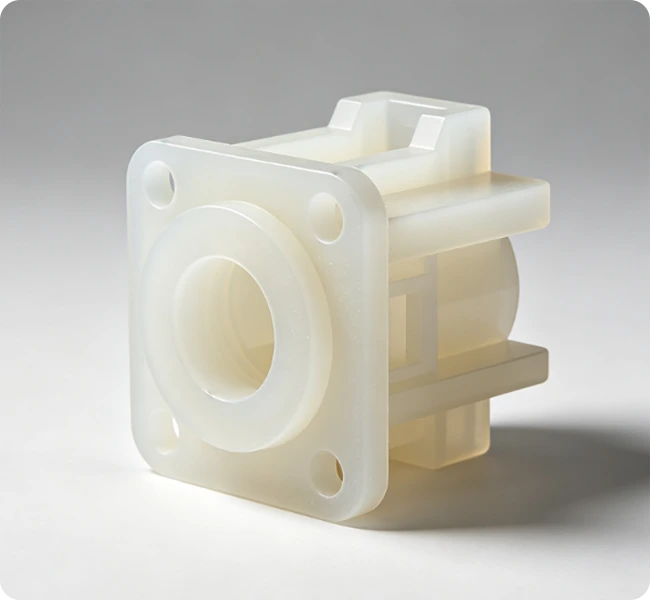
Lightweight plastic with excellent fatigue resistance for snap-fit parts.
Polyethylene
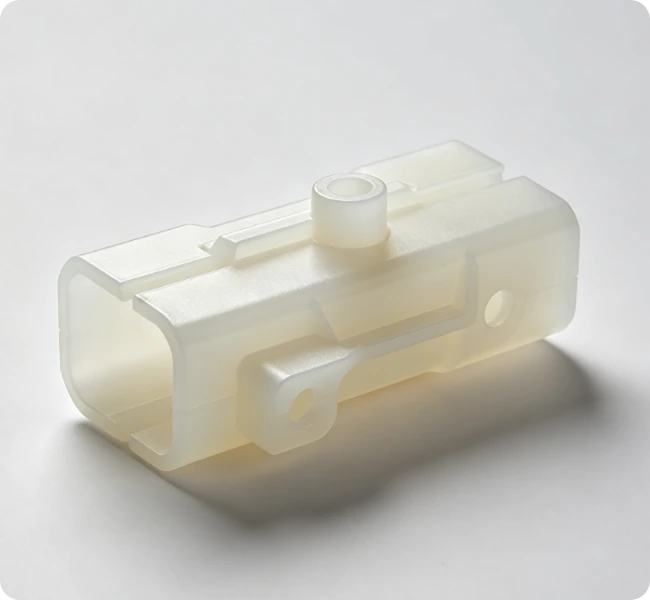
Flexible and chemically resistant plastic for containers and functional parts.
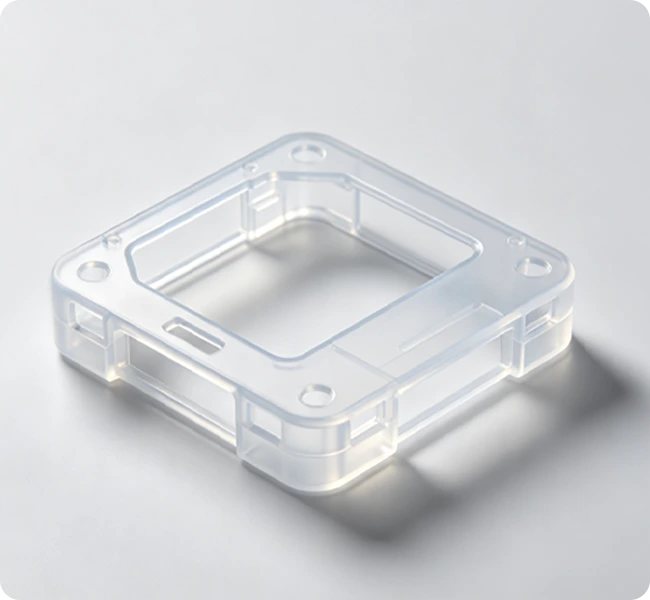
Polycarbonate
High impact strength and heat resistance for structural plastic components.
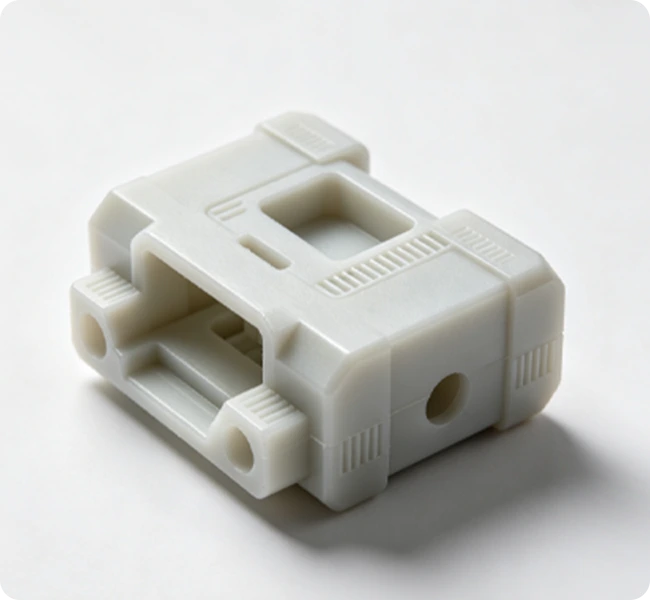
Nylon
Strong and wear-resistant plastic for mechanical and load-bearing parts.
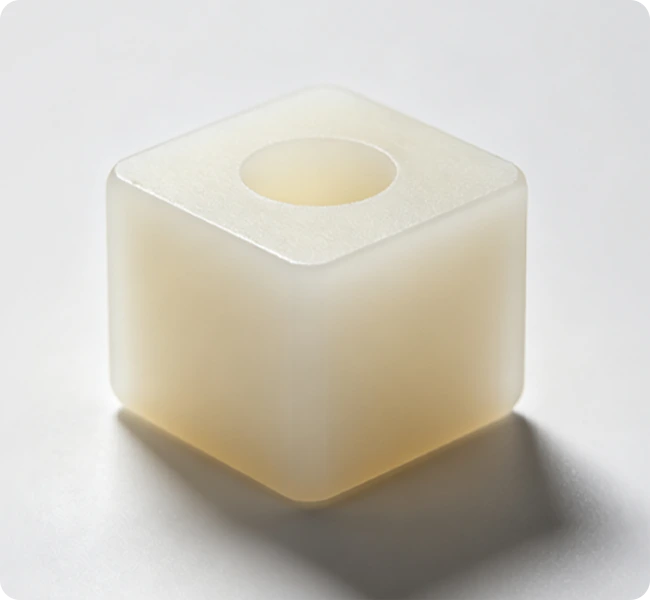
POM
Low friction and high dimensional stability for precision molded parts.
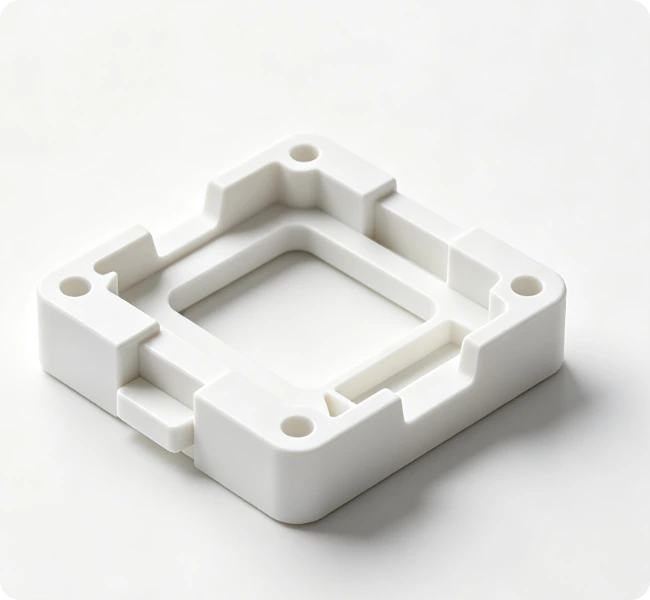
PBT
Dimensional stability and electrical insulation for automotive and electronic parts.
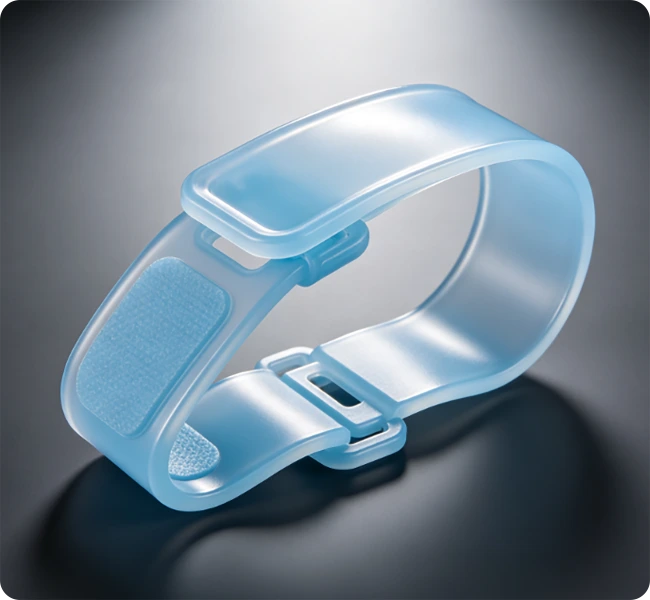
TPU
Flexible elastomer for seals, grips, and soft-touch components.
Custom Injection Mold Finishes
Pad Printing
Transfer a 2D image onto a 3D part. All images are subject to review.
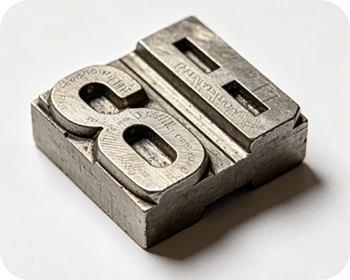
Laser Engraving
Engrave part numbers, logos, and more onto your parts.
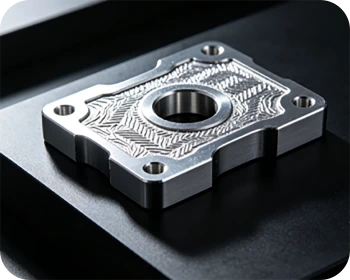
Assembly
FlagShip has the ability to assemble and label injection molded parts. Discuss your needs with your salesperson.
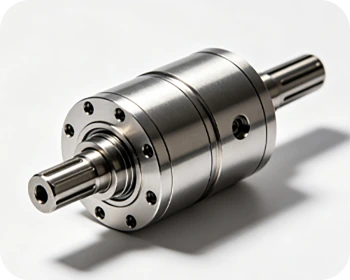
Standard Finish
Moldmaker’s choice of finish. Typically SPI B-2, depending on geometry and drafts. Interior, non-cosmetic faces, are typically as-machined.
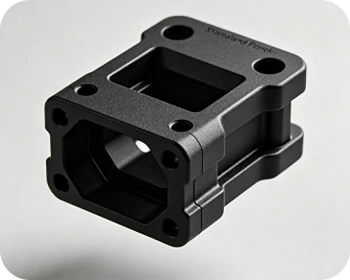
SPI Finishes
Range of Society of Plastics Industry (SPI) finishes from Grade 3 diamond / high polish to 320 stone low polish. Finishes include: SPI A-1, SPI A-2, SPI A-3, SPI B-1, SPI B-2, SPI B-3, SPI C-1, SPI C-2, SPI C-3, SPI D-1, SPI D-2, and SPI D-3
Video display

What it’s like to work with HLH – in our customers’ words

"It is a pleasure to work with a company whose personnel are willing and able to think out of their box. With your commitment to staying on the cutting edge of technology, you supply tooling to us that is right on time and works first shot."


"Not many other manufacturing facilities would prioritize a job with a volume this low. They treated us as if we were a long-time customer bringing in high-volume business."

“HLH has been a strong partner on our EV programs. They helped us optimize a few key mponents for weight and manufacturability, and they consistently hit the tolerances we need. Their fast turnaround times have kept our development cycles moving, which is critical in EV work.”
Request A Quote
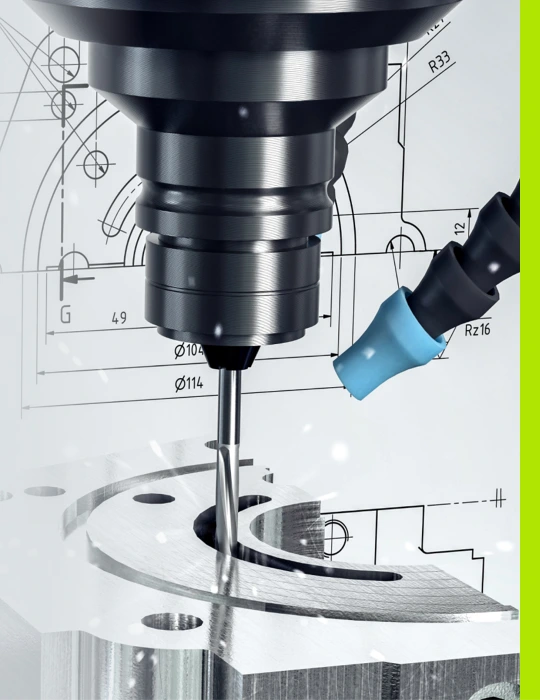
Ready for Pricing? Let’s Get Started.
Please place file(s) for transfer in the same folder and ZIP or RAR before attaching.
Recent Articles/Blog
3D Printing vs, CNC vs. Vacuum Casting
This article compares and contrasts three common manufacturing methods: 3D printing, CNC machining, and vacuum casting.
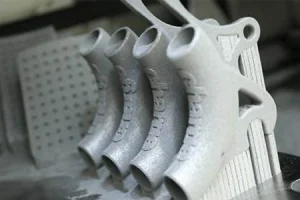
How Much Does 3D Printing Cost?
Learn about 3D printing costs, including in-house vs. outsourcing options, with a free cost calculator and saving tips.
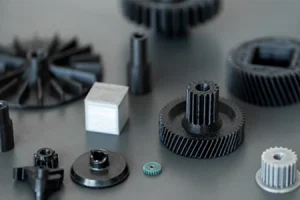
CNC Machining Price Guide: Breakdown & Price Comparison
Break down CNC machining prices, learn cost-saving strategies, and compare several major CNC service providers.