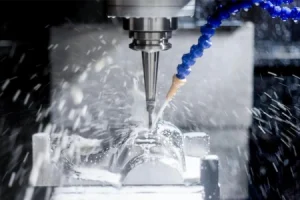
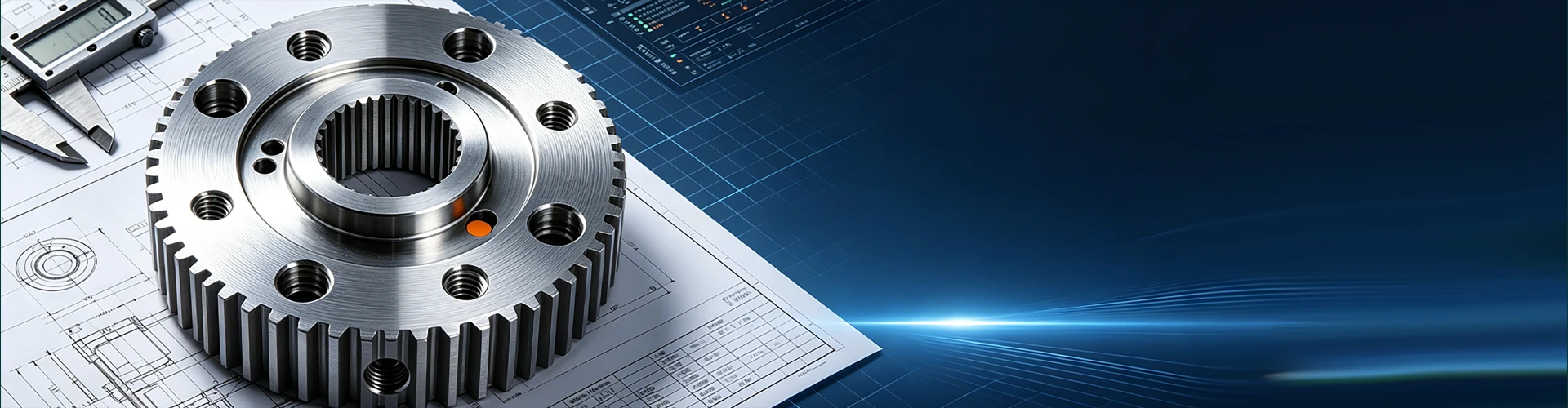
Our CNC machining capabilities
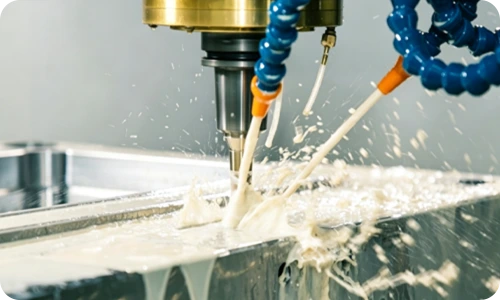
CNC Milling Service
3-, 4-, and 5-axis machining processes for solid plastics and metals. Delivering tight-tolerance prototypes and production parts in just days.
 Ideal For:
Custom enclosures, mold and die making, precision brackets, and complex planar parts.
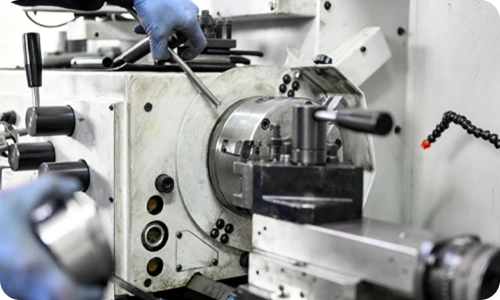
CNC Turning Service
Lathes and turning centers for precise cylindrical parts from rod stock. Utilizing live tooling for single-setup, multi-axis machining and rapid production.
Ideal For:
Precision shafts, bushings, pins, and tight-tolerance round parts with milled features.
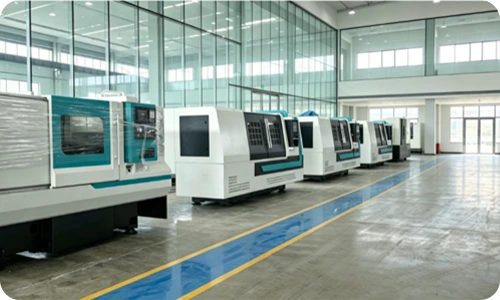
CNC Turn-Mill Machining Service
Integration of lathe turning and multi-axis milling within a single machine center. Machining complex cylindrical features from selected rod stock in one setup for superior concentricity and rapid production.
Ideal For:
Complex shafts with flats, cross-drilled components, custom aerospace fasteners, and advanced hydraulic fittings.
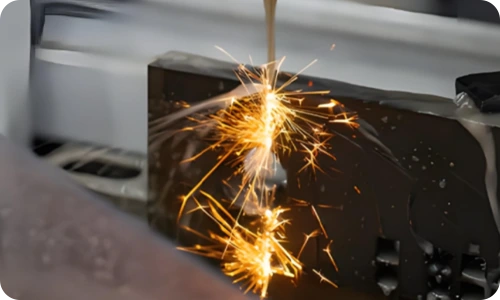
Wire EDM Service
Precision cutting via a continuously feeding, electrically charged micro-wire. Delivering micron-level tolerances, sharp corners, and burr-free edges.
Ideal For:
Extrusion dies, thick metal plate profiling, delicate thin-walled parts, and intricate undercuts.
How does CNC machining work?
setup
CNC machining is a subtractive manufacturing process.lt uses computerized controls and machine tools to remove layers of material from a blank to form a finished piece. The piece to be machined is secured in the CNC machine tool using a jig or work-holding tool. This prevents it from moving around during the machining process.
Machining
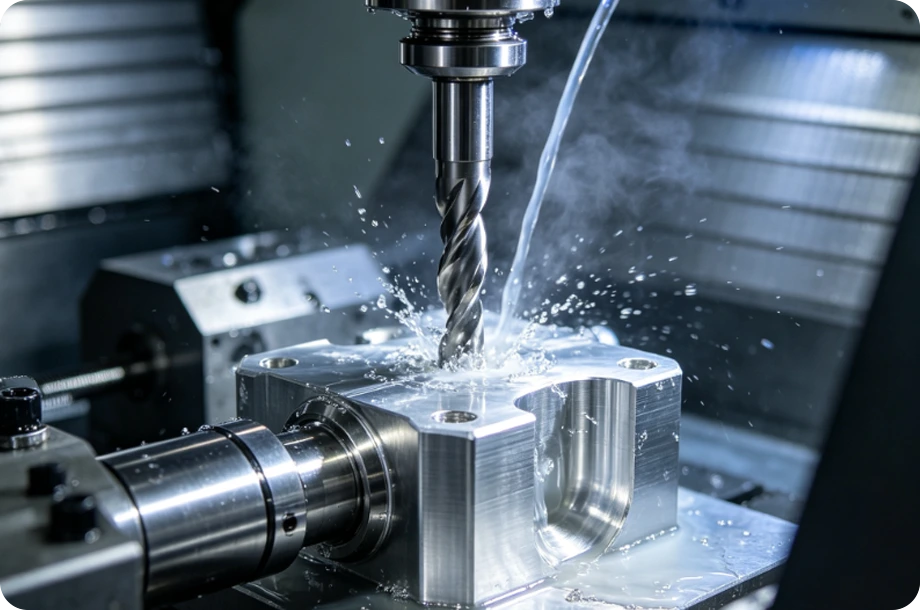
Three basic types of CNC machining are drilling milling and turning. For CNC drilling, drill bits are used to make cylindrical holes in the workpiece.Usually these holes are used for screws or other fasters.CNc milling uses a rotating tool to remove material from the workpiece, often at multiple angles and axes. In CNC turning, material is removed as the workpiece spins on a lathe.
Post-Processing
Post processing helps ensure a uniform appearance from part to part. Some CNc machines may leave visible tool marks on the piece after production. Post-processing may include bead blasting to remove tool marks or painting to achieve a desired color.Anodizing or coating may be used to enhance the qualities of the metal or plastic part.
Advantages of HLH’s CNC Machining
Our CNC machining processes are among the best in the industry, which has helped us remain a leading force for nearly 30 years. We continuously evolve by combining our extensive experience with the latest manufacturing technologies. Here are some of the key advantages of our CNC machining services:

Rapid Turnaround
We begin work on orders as soon as they arrive. Using the latest technologies and state-of-the-art machines, we can produce high-quality products and parts within the first 24 hours after receiving client approval.

Custom Finishes
We meticulously follow client specifications to produce parts with flawless precision. Whether crafting parts from solid metal or plastic, we ensure every detail is exactly as requested, with no room for error.

Scalability
Scalability is one of our core strengths. We can scale any part to the size you require without compromising on quality or functionality. Simply provide the instructions, and we’ll deliver on time.

Material Selection
We use only the finest raw materials, ensuring that every product that leaves our assembly line is durable, strong, and of the highest quality. Certified materials are at the heart of our manufacturing processes, ensuring reliability and longevity.

Precision Engineering
Our CNC machining services are built on precision engineering, ensuring every part is manufactured to exact specifications. With our advanced equipment, we achieve tight tolerances and deliver components with unmatched accuracy.

Cost Efficiency
We offer competitive pricing without sacrificing quality. By optimizing the machining process and minimizing waste, we provide cost-effective solutions that meet your budget while maintaining high standards of craftsmanship.
CNC Machining Applications

Rapid Tooling
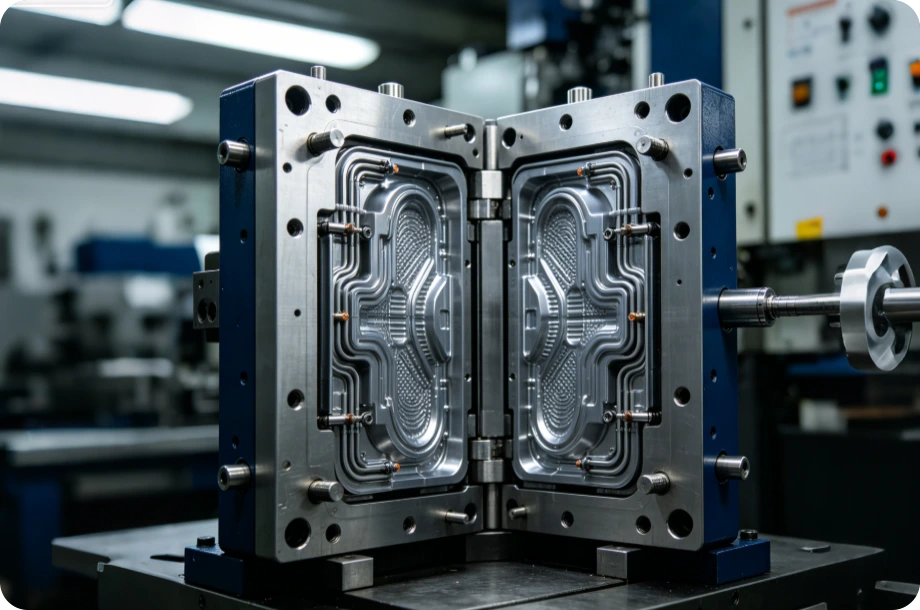
Because CNC machining can cut a high variety of fully dense, durable materials like aluminum 5052 and stainless steel, it is perfect for creating fixtures or molds.

Rapid Prototyping
The range of affordable metal alloys (like aluminum 6061) and plastics (like acetal or ABS) combined with the speed of our skilled machinists makes our online CNC machining service a great option for prototyping.

End-Use Production
Performance-enhancing finishes, precision tolerances as low as +/- 0.001”, and certifiable material options make CNC machining an excellent technology for end-use parts.
CNC Machining Materials
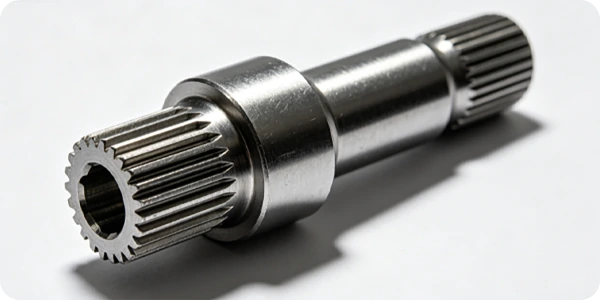
Steel
Offers high tensile strength and malleability. Used in construction, automotive, and manufacturing for structural components and tools.
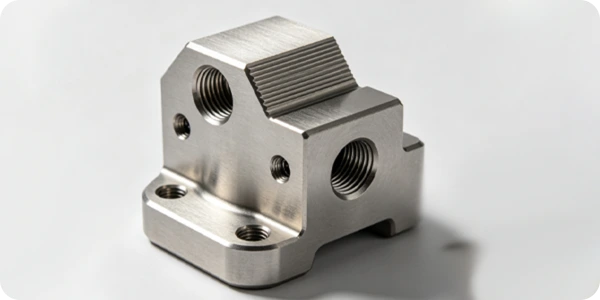
Stainless Steel
Known for corrosion resistance and durability. Employed in cutlery, medical equipment, and architectural applications.
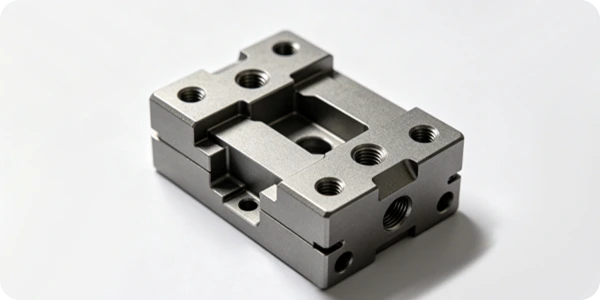
Titanium
Provides exceptional strength with low density. Utilized in aerospace, medical implants, and high-end sports gear.
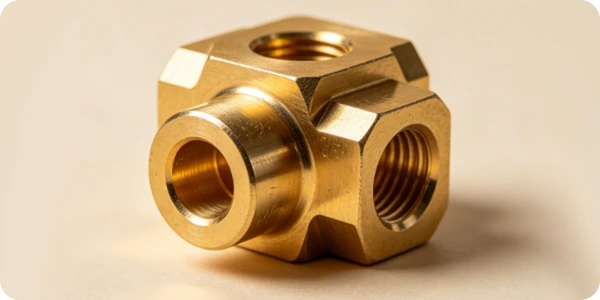
Brass
Combines strength and corrosion resistance. Commonly used in fittings, valves, and decorative items.
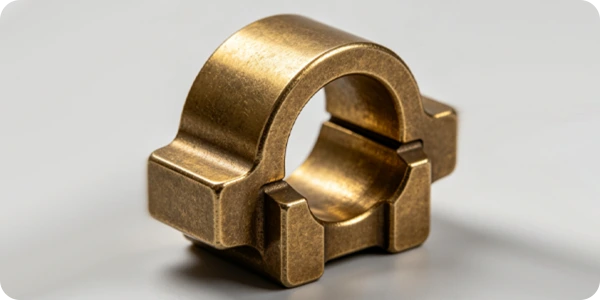
Bronze
Features high corrosion resistance and strength. Suitable for sculptures, bearings, and marine hardware.
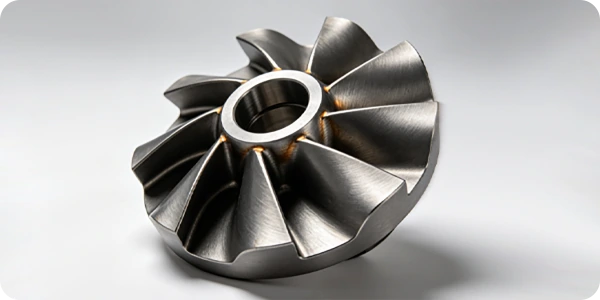
Inconel
An austenitic family of superalloys with excellent heat and corrosion resistance. Used in gas turbines and chemical processing.
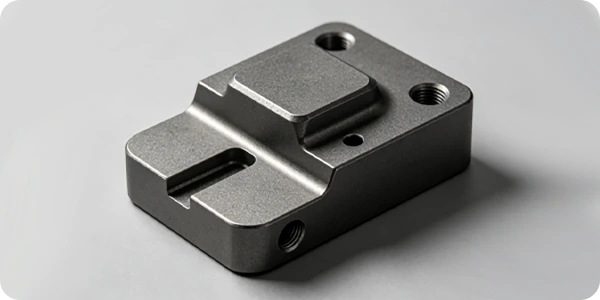
Tool Steel
Designed for high hardness and wear resistance. Essential for the production of cutting tools and dies.
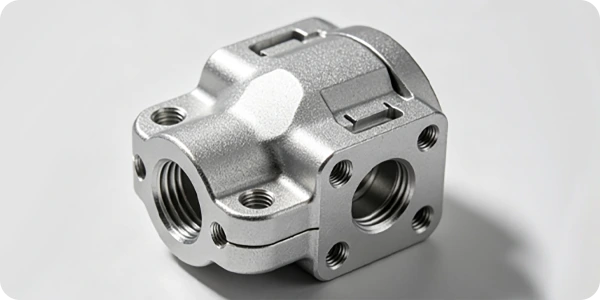
Aluminum Alloys
Lightweight with enhanced strength and corrosion resistance. Popular in aerospace, automotive, and consumer electronics.
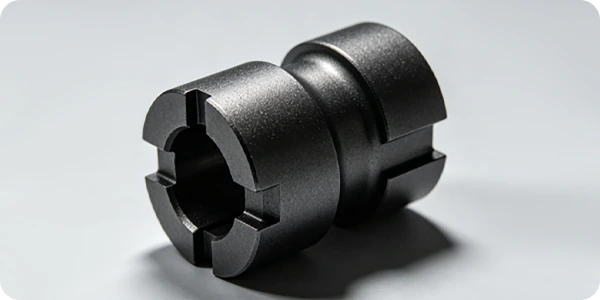
Maraging Steel
Known for its ultra-high strength and hardness. Used in precision instruments and high-stress mechanical parts.
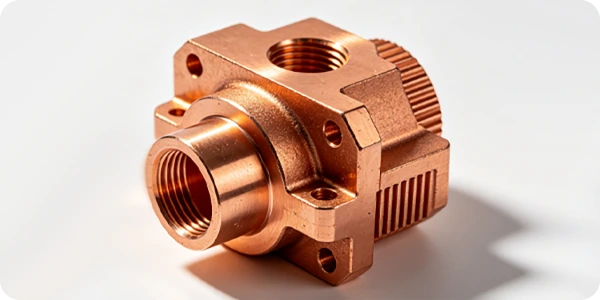
Copper Alloys
Exhibit high thermal and electrical conductivity. Widely used in electrical systems, heat exchangers, and coinage.
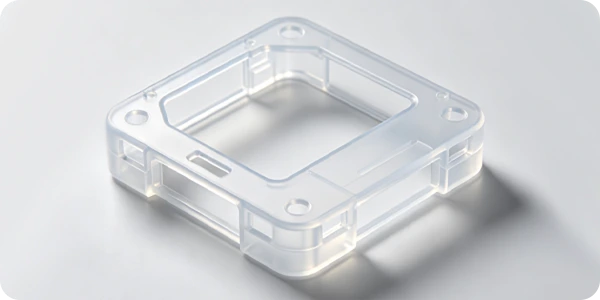
PC (Polycarbonate)
Known for its exceptional impact resistance and transparency. Used in eyewear, automotive parts, and durable plastic products.
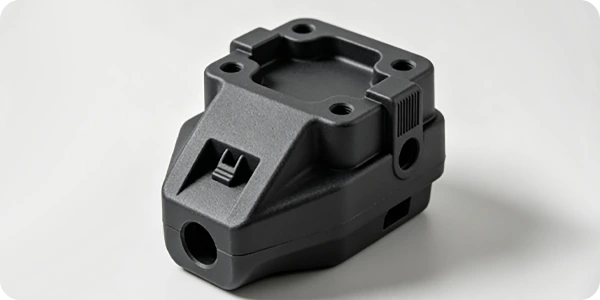
PA (Polyamide)
Strong, flexible, and resistant to chemicals. Common in fibers, automotive parts, and industrial components.
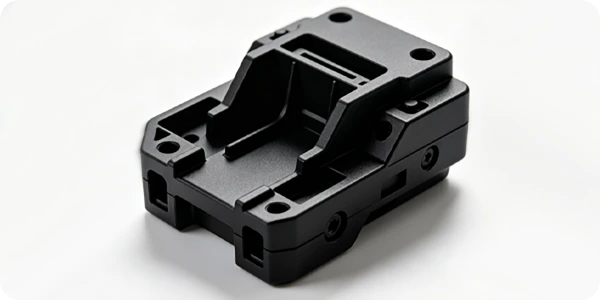
ABS
Combines strength, rigidity, and toughness. Widely used in automotive and electronics.
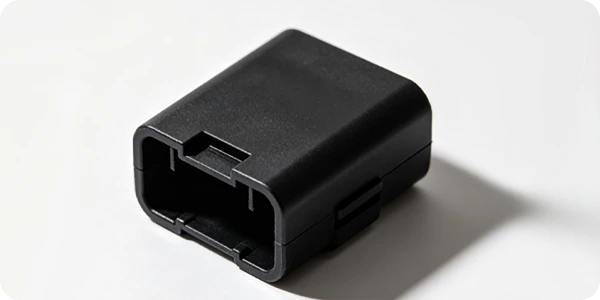
PVC (Polyvinyl Chloride)
Durable and cost-effective. Employed in plumbing, vinyl siding, and medical devices.
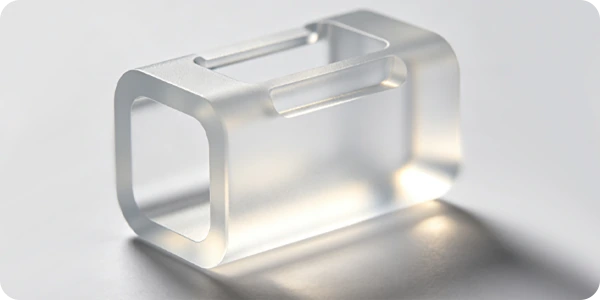
Acrylic (PMMA)
Lightweight with high clarity. Ideal for aquariums, windows, and signage.
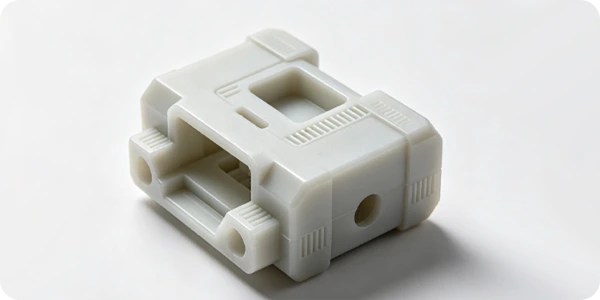
Nylon
Resistant to wear, self-lubricating. Utilized in textiles, brushes, and mechanical parts.
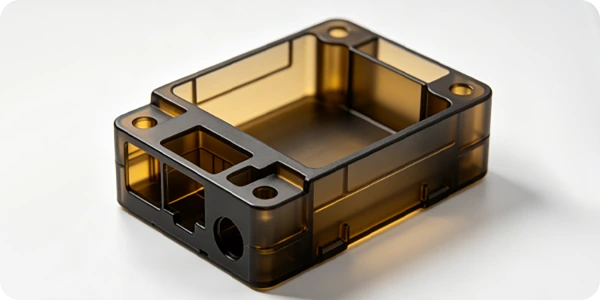
PSU (Polysulfone)
High-temperature resistance and rigidity. Suitable for electrical components and cookware.
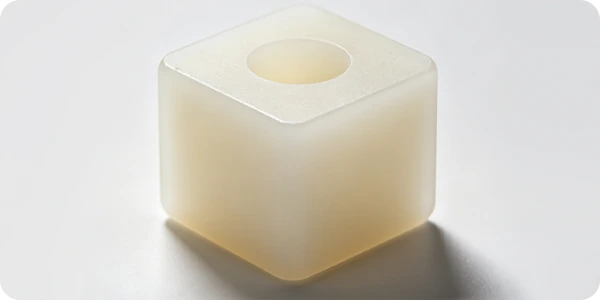
POM (Polyoxymethylene)
Stiff and resistant to abrasion. Common in gears, bearings, and automotive parts.
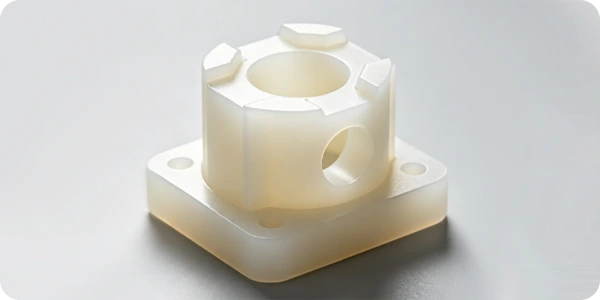
PTFE (Teflon)
Non-stick and heat resistant. Used in non-stick cookware and industrial coatings.
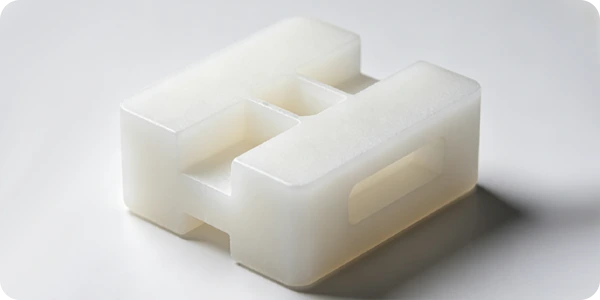
UHMWPE (ULtra-High Molecular Weight Polyethylene)
Exceptionally wear-resistant and low friction. Employed in liners, gears, and artificial joints.
Video display

Surface Finish For CNC Machining
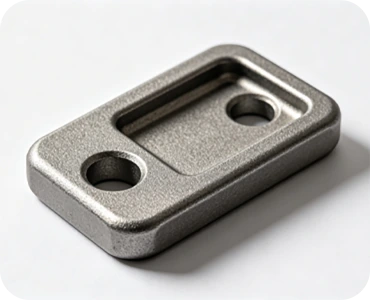
Tumbled
This is a batch-based process that tumbles vibrating media to remove sharp edges and burrs on CNC parts. Tumbling can remove machine marks on exterior surfaces. Parts over 8” may require a manual review.
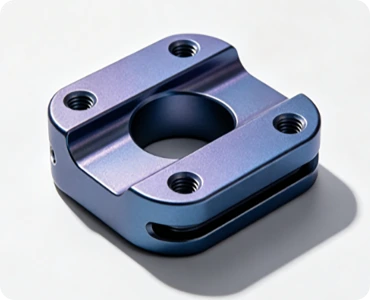
Titanium Anodize
A surface finish for titanium per AMS-2488 Type 2 specification. Also called Tiodize, this finish increases fatigue strength and the wear resistance of a part. Titanium anodized parts are common in aerospace and medical device manufacturing. Non-pigmented titanium anodize finishes will dull shine.
Passivation
Improves corrosion resistance for 200 and 300 series and precipitation hardened corrosion-resistant steels. Thickness is negligible, about 0.0000001”. Conforms to ASTM A967, AMS-QQ-P-35, MIL-STD-171, ASTM A380, or AMS 2700.
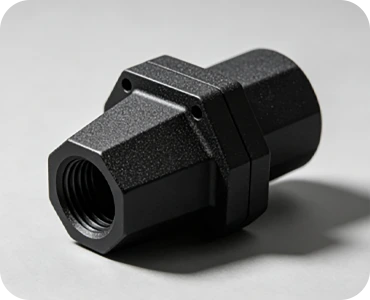
Powder Coat
This process is where powdered paint is sprayed onto a part and baked in an oven. This creates a strong, wear- and corrosion-resistant, more durable layer than standard painting methods. A wide variety of colors are available to create the desired aesthetic. See examples in our powder coating finishes gallery.
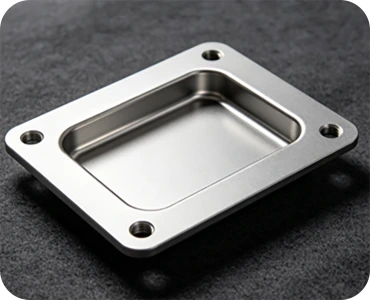
Electropolishing
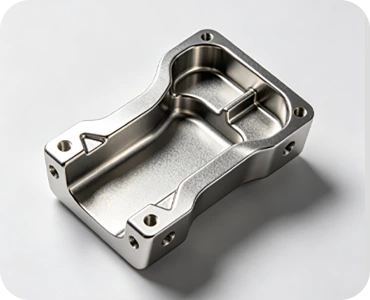
An electrochemical process cleans steel parts to reduce corrosion and improve appearance, by making the metal brighter. Removes about 0.0001”-0.0025” of the metal. Conforms to ASTM B912-02.
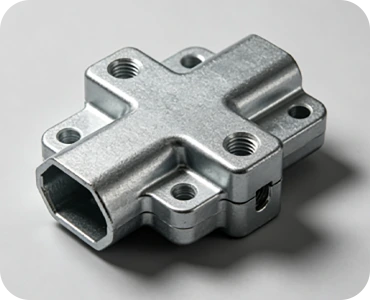
Zinc Plating
Provides uniform zinc coating which offers protection from corrosion, oxidation, and wear on irregular surfaces. Conforms to ASTM B633-15.
What it’s like to work with HLH – in our customers’ words

"It is a pleasure to work with a company whose personnel are willing and able to think out of their box. With your commitment to staying on the cutting edge of technology, you supply tooling to us that is right on time and works first shot."


"Not many other manufacturing facilities would prioritize a job with a volume this low. They treated us as if we were a long-time customer bringing in high-volume business."

“HLH has been a strong partner on our EV programs. They helped us optimize a few key mponents for weight and manufacturability, and they consistently hit the tolerances we need. Their fast turnaround times have kept our development cycles moving, which is critical in EV work.”
Request A Quote
Ready for Pricing? Let’s Get Started.
Please place file(s) for transfer in the same folder and ZIP or RAR before attaching.
Recent Articles/Blog
3D Printing vs, CNC vs. Vacuum Casting
This article compares and contrasts three common manufacturing methods: 3D printing, CNC machining, and vacuum casting.
How Much Does 3D Printing Cost?
Learn about 3D printing costs, including in-house vs. outsourcing options, with a free cost calculator and saving tips.
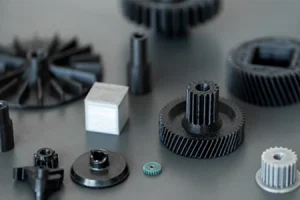
CNC Machining Price Guide: Breakdown & Price Comparison
Break down CNC machining prices, learn cost-saving strategies, and compare several major CNC service providers.