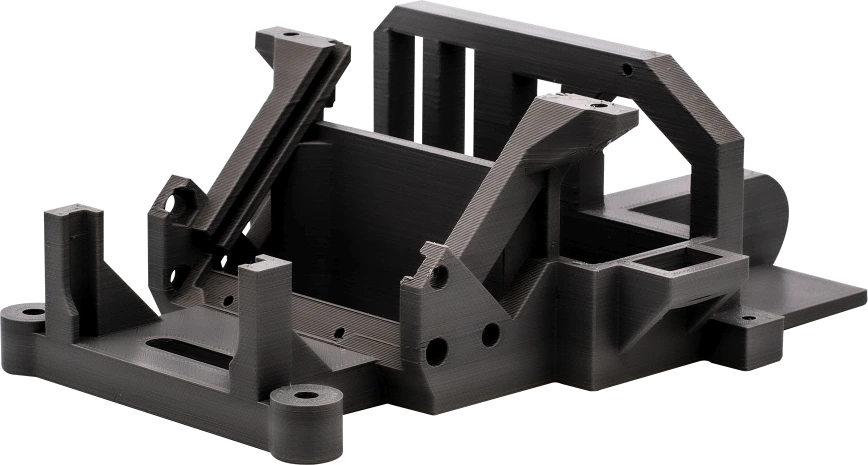
FDM 3D Printing Service

Fast-turnaround prototyping
Industrial-grade 3D printing
Precision parts on demand



Our FDM 3D Printing Service
Production Capacity

700mm*800mm*1050mm

7 business days

±0.3mm/100mm

25-100 um
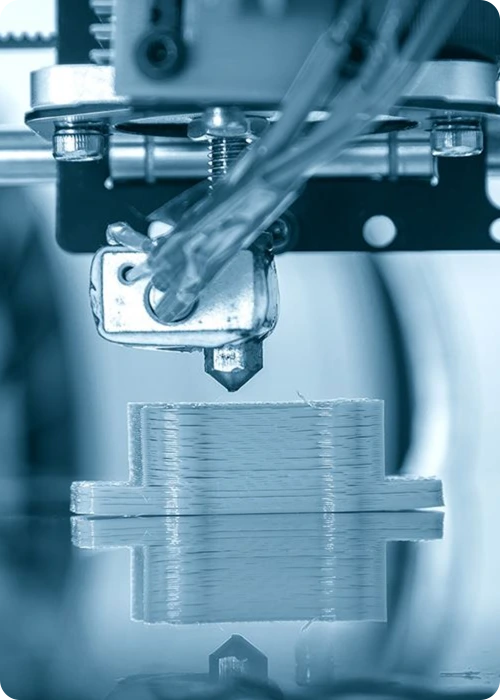
FDM 3D Printing Overview
Layer by layer, melting plastic to build something tangible—that’s the 3D printing image
most people have. That’s FDM: we heat thermoplastic filaments (PLA, ABS, nylon) until they
melt, then extrude them layer by layer to form your part. But at [Our Company], it’s more
than just “printing.” We’ve honed the process to make parts that hold up, every time.
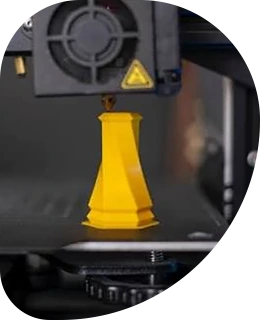
Here’s how the FDM machine brings it to life: First, your digital design gets sliced into
ultra-thin layers (think 0.1–0.3mm thick) by software, mapping out exactly where the nozzle
will move. Then, the filament spool feeds into the machine, where a heated nozzle
(200–300°C, depending on the material) melts the plastic. The nozzle glides along the build
plate, depositing the molten plastic in precise lines, following that layer’s path. As each
layer cools and solidifies, the build plate drops slightly, and the nozzle starts the next
layer, bonding it to the one below. By the end, those thousands of tiny layers stack up to
form your complete part.
Advantages of HLH FDM Printing

Printing Speed
FDM machines can print parts faster than many other additive technologies. That means you can get your parts faster.

A Wide Range of Materials
Materials for FDM printing include acrylonitrile butadiene styrene (ABS) polymers, polycarbonates, polycaprolactone and polyphenyl sulfones.

Exceptional Toughness
FDM parts are rugged and durable. They’re ideal for demanding applications like jigs and work-holding fixtures.

Support for Low-Volume Production
FDM manufacturing isn’t just for building prototype parts. Thanks to its speed and print quality, you can also use it for low-volume runs of production parts.
Applications Showcase the Versatility of FDM
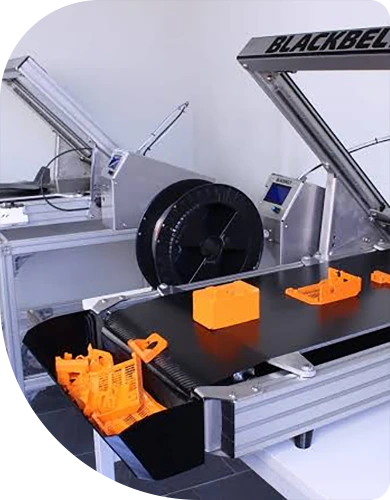
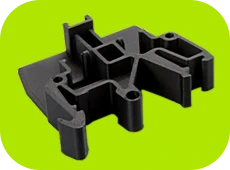

Work Holding Tools
FDM is a fast and affordable way to build customized jigs and fixtures for manufacturing.

Rapid Prototyping
The toughness of FDM parts makes them ideal for testing your designs for fit, finish and functionality. Because these 3D-printed parts are built from thermoplastics, they’re an excellent way to finalize your designs before you build tooling.

Production Parts
Some materials used to build FDM parts are chemical resistant and can endure extreme conditions. They’re ideal for demanding applications like aerospace and industrial equipment.

Aviation and Aerospace
Manufacturers are increasingly replacing metal parts with FDM components to reduce weight. Applications include components for aircraft interiors and engine components.
FDM Material Options
FDM 3D printing post-processing
Sanded
Manual or machine sanding to smooth surfaces and reduce visible layer lines
Painting
High-quality sanding and painting for visible, aesthetic parts
Specialty Coated
Coatings for UV resistance, anti-scratch, or soft touch
Inserts
Installation of metal inserts for threads, fasteners, or structural reinforcement
Request A Quote
Ready for Pricing? Let’s Get Started.
Please place file(s) for transfer in the same folder and ZIP or RAR before attaching.
Video display

What it’s like to work with HLH – in our customers’ words

"It is a pleasure to work with a company whose personnel are willing and able to think out of their box. With your commitment to staying on the cutting edge of technology, you supply tooling to us that is right on time and works first shot."


"Not many other manufacturing facilities would prioritize a job with a volume this low. They treated us as if we were a long-time customer bringing in high-volume business."

“HLH has been a strong partner on our EV programs. They helped us optimize a few key mponents for weight and manufacturability, and they consistently hit the tolerances we need. Their fast turnaround times have kept our development cycles moving, which is critical in EV work.”
Recent Articles/Blog
3D Printing vs, CNC vs. Vacuum Casting
This article compares and contrasts three common manufacturing methods: 3D printing, CNC machining, and vacuum casting.
How Much Does 3D Printing Cost?
Learn about 3D printing costs, including in-house vs. outsourcing options, with a free cost calculator and saving tips.
CNC Machining Price Guide: Breakdown & Price Comparison
Break down CNC machining prices, learn cost-saving strategies, and compare several major CNC service providers.