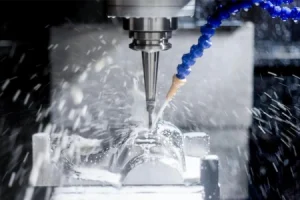

On-Demand Vacuum Casting Services
From Dongguan, China To Worldwide

Rapid Turning Cycles
Cost-Efficient Scaling
IP Protection – FREE DFM – NO MOQ
Fast and Efficient Vacuum Casting Services
Vacuum casting is a highly reliable manufacturing technology perfectly suited for rapid validation and bridging the gap to mass production. Although the process involves multiple precise steps, it is remarkably straightforward, yielding production-grade components in days rather than weeks.
The vacuum casting workflow consists of three distinct phases: creating the high-precision master mold, forming the liquid silicone mold, and casting the final replica. This streamlined framework allows engineering teams to efficiently manufacture detailed parts without the heavy upfront tooling costs or long lead times associated with traditional hard tooling.
Creating the Master Mold
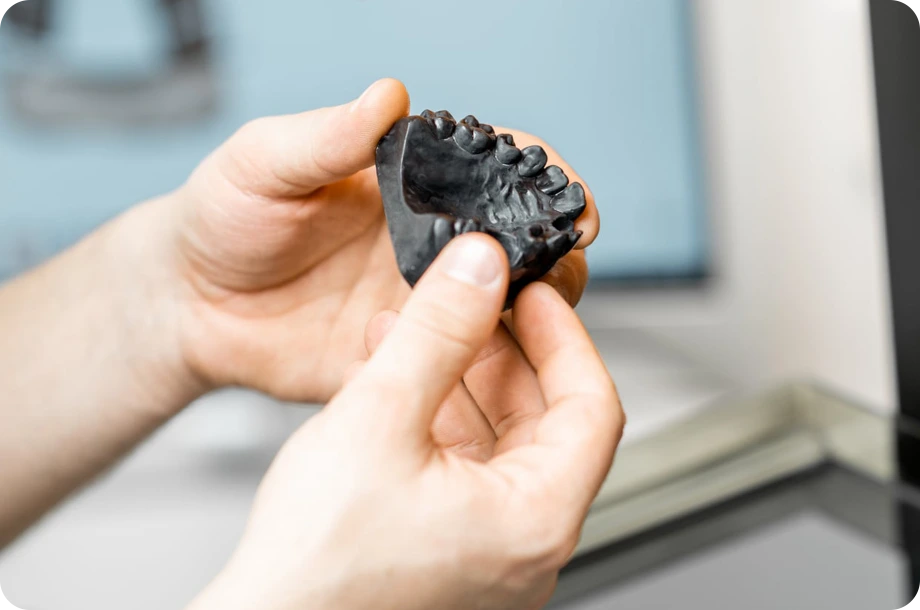
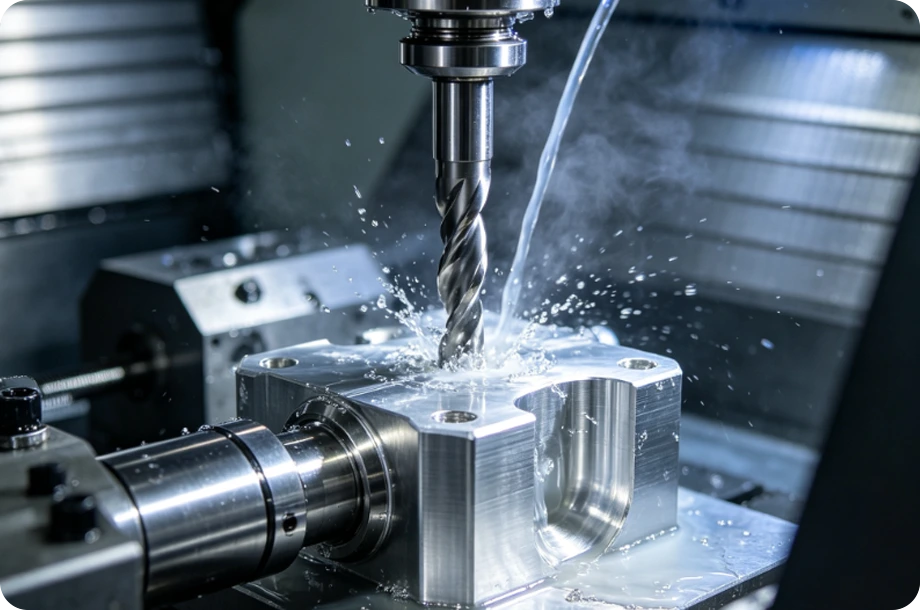
The workflow begins by converting your 3D CAD files into a physical master model using high-accuracy CNC machining or industrial 3D printing technologies like Stereolithography (SLA) or Selective Laser Sintering (SLS). While clients frequently supply their own master designs, these models must be structurally sound and capable of withstanding processing temperatures up to 40°C.
Making the Mold
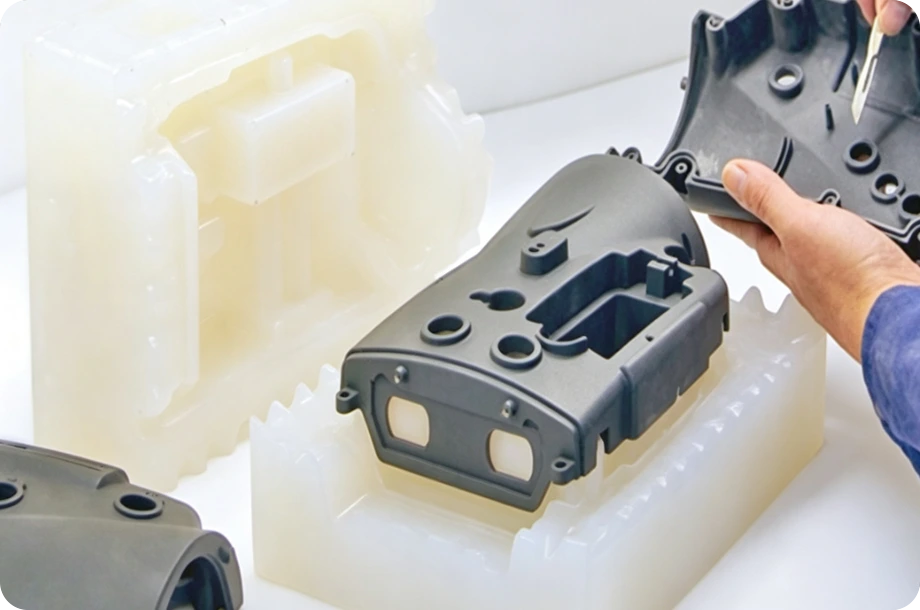
The master model is suspended inside a casting chamber where premium liquid silicone is injected around it to capture every intricate texture. The assembly is cured in an industrial oven for over 16 hours, after which the silicone mold is carefully cut open and the master design is removed, leaving a flawless internal cavity.
Making the Replica
In the final phase, high-grade polyurethane resins are poured into the empty silicone cavity under a strict vacuum environment. This method supports multi-material casting—such as combining rigid and rubber-like resins—and a single silicone tool can accurately replicate 20 to 50 copies before degradation.
Unlike other rapid prototyping alternatives, vacuum casting stands out by producing dense, end-use quality components. The vacuum chamber completely eliminates trapped air pockets, ensuring zero internal voids and total structural integrity. This makes the technology ideal for small-batch manufacturing, advanced product testing, and creating realistic marketing visual aids.
HLH MODEL’s Advantages in Vacuum Casting Services
HLH MODEL optimizes the vacuum casting process to give your product development cycle an aggressive edge in speed, quality, and material flexibility.
High Precision and Detail
Our advanced casting process captures micro-level surface details with extreme geometric accuracy. This ensures complex internal pathways and fine aesthetic lines perfectly match your original engineering specifications.
Zero Finishes Required
Because our silicone molds replicate the master model’s surface texture perfectly, finished components emerge from the mold with retail-ready finishes, reducing extra processing steps and costs.
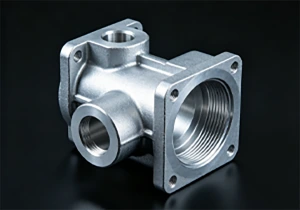
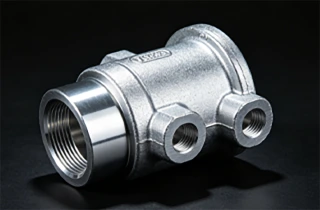
Multiple Material Options
We supply hundreds of casting polymers tailored to your exact application, including rubber-like, PE/PP-based, and ABS-based polyurethanes. This extensive selection lets you fine-tune surface hardness, elastomeric flexibility, and optical transparency (from opaque to translucent) to mimic final injection-molded plastics.
Fast Turnaround Time
We prioritize velocity without compromising part quality. Our optimized factory workflow facilitates rapid design iterations, allowing you to move seamlessly from a CAD concept to functional testing in record time.
Minimal Volumetric Shrinkage
Depending on the geometry of your part and the specific polymer blend used, our process holds a remarkably low shrinkage rate—typically not exceeding 0.15%.
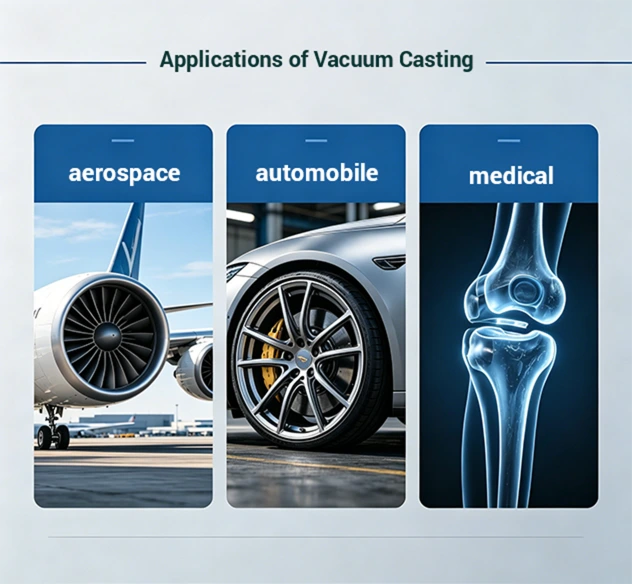
Applications of Vacuum Casting
HLH MODEL can prepare silicon molds within days. It can replicate up to 50 parts made of
high-quality polymers. This is a perfect low-cost manufacturing technology. We recommend
using vacuum casting to create prototypes for proof-of-concept, demonstration visual aids,
and design testing.
Because vacuum-cast components are highly accurate, inherently durable, and rich in fine detail, they are utilized across a broad spectrum of demanding commercial landscapes. HLH MODEL delivers low-cost, high-performance parts for the following applications and industries.
Here are some applications of vacuum casting:

Proof-of-Concept & Alpha Prototypes – Validate spatial layouts, form factors, and ergonomic designs before releasing capital for hard injection tooling.
Functional Product Testing – Put engineering-grade polymers through rigorous physical, thermal, and mechanical stress tests.
Low-Volume & Pilot Production Runs – Launch early-market products or specialized custom runs efficiently without minimum order quantity (MOQ) constraints.
Widespread Industry Adoption – Providing critical, high-tolerance components for sectors including Aerospace, Energy, Automotive/EV programs, Medical Technology, Robotics, and Consumer Electronics.
Vacuum Casting Materials
Hundreds of casting polymers are available on the market that meet the requirements for vacuum casting. They offer the surface textures and hardness you might be looking for. You can also create parts with varying degrees of transparency. Whether translucent, transparent, or opaque depends on how these parts will be used.
At HLH, you can choose from any of the following materials:
Rubber-like polyurethane
PE/PP-based polyurethane
ABS-based polyurethane
The dimensions of the finished vacuum-cast parts will depend on the precision of the master mold, the type of casting material, and the geometry of the design. Generally, the shrinkage rate of these finished products is no higher than 0.15%.
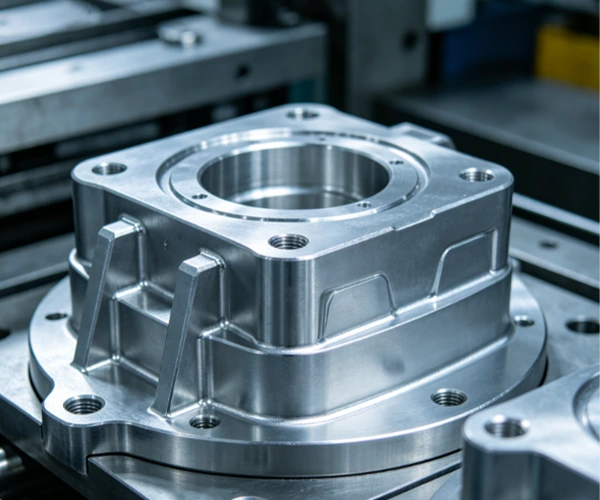
Video display

See How We Help Innovators Meet Tight Production Deadlines

"Working with a team that consistently thinks outside the box is a true pleasure. Thanks to their commitment to cutting-edge technology, the tooling they deliver is always on time and performs flawlessly on the very first run."


"While most manufacturing facilities overlook low-volume projects, they treated our small order with the utmost priority. Their team delivered the same level of care and respect usually reserved for long-time, high-volume clients."

“HLH has been a strong partner on our EV programs. They helped us optimize a few key mponents for weight and manufacturability, and they consistently hit the tolerances we need. Their fast turnaround times have kept our development cycles moving, which is critical in EV work.”
Request A Quote
Ready for Pricing? Let’s Get Started.
Please place file(s) for transfer in the same folder and ZIP or RAR before attaching.
Recent Articles/Blog
3D Printing vs, CNC vs. Vacuum Casting
This article compares and contrasts three common manufacturing methods: 3D printing, CNC machining, and vacuum casting.
How Much Does 3D Printing Cost?
Learn about 3D printing costs, including in-house vs. outsourcing options, with a free cost calculator and saving tips.
CNC Machining Price Guide
Break down CNC machining prices, learn cost-saving strategies, and compare several major CNC service providers.