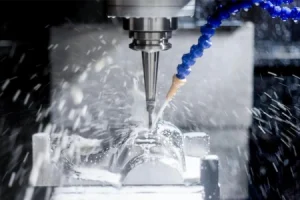

Precision Sheet Metal Fabrication Services
Custom Industrial Solutions
From Dongguan, China To Worldwide

Micron-Level Precision
IP Protection – FREE DFM – NO MOQ
Dedicated Project Manager
Precision Sheet Metal Manufacturing Capabilities
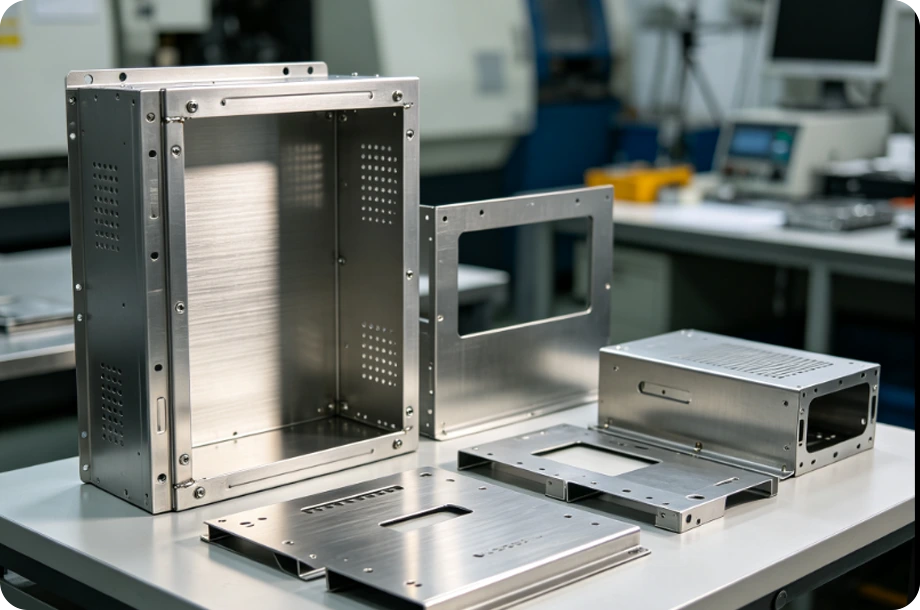
Scale your product development lifecycle with high-efficiency custom sheet metal fabrication services engineered for strict industrial tolerances. At HLH MODEL, we specialize in fast-turnaround rapid prototyping and scalable, low-to-mid volume production. Utilizing advanced laser cutting, multi-axis CNC bending, hydraulic punching, and precision welding, we manipulate premium raw stock into high-fidelity parts with absolute geometric precision. Partner with HLH MODEL to eliminate supply chain bottlenecks and bring your complex structural designs to market faster.
Accelerate your time-to-market with industrial sheet metal manufacturing services engineered for rapid scaling. From initial prototype validation to high-volume mass production, HLH MODEL delivers fast, reliable, and cost-effective fabrication solutions tailored to your strict industry specifications. Our advanced manufacturing facility features high-speed fiber laser cutting, precision metal stamping, multi-axis CNC bending, and certifiable robotic welding to guarantee exceptional dimensional accuracy with rapid lead times.
Core Sheet Metal Fabrication Technologies at HLH MODEL

Precision CNC Bending & Forming
Utilizing multi-axis press brakes and advanced tooling, HLH MODEL shapes raw sheets into precise angles and highly complex 3D profiles. Our advanced forming capability supports an expansive range of material thicknesses, ensuring consistent angular repeatability and flawless wall tolerances for any design—from basic mounting brackets to intricate chassis.

High-Speed Fiber Laser Cutting
HLH MODEL leverages high-power industrial fiber lasers to slice through conductive sheets with micron-level accuracy. Perfect for flat profiling and intricate geometric features, this non-contact process holds exceptionally tight tolerances while maximizing nested material yield, making it highly cost-effective for both rapid prototypes and high-volume manufacturing.

Industrial Metal Stamping
HLH MODEL specializes in progressive and deep-drawn sheet metal stamping to manufacture high-precision, cold-formed components. This high-speed process ensures uncompromising dimensional consistency and identical quality replication during massive production runs, making it the premier choice for complex parts with strict structural tolerances.

Certified TIG & MIG Welding Services
We provide high-strength TIG (Tungsten Inert Gas) and MIG (Metal Inert Gas) welding solutions alongside specialized spot welding to join fabricated components. Our advanced thermal techniques guarantee exceptional metallurgical bond strength and joint durability in custom assemblies, providing the long-term structural integrity required for heavy-duty industrial applications.
What is Sheet Metal Fabrication? | The Complete Manufacturing Process

Sheet metal fabrication is a highly versatile cold-forming manufacturing process that involves the precise cutting, shaping, and assembly of thin metal stock into custom components, enclosures, and structural assemblies. By deploying an array of advanced subtractive and forming techniques—including high-speed laser cutting, multi-axis CNC bending, progressive stamping, and certified structural welding—HLH MODEL manufactures high-durability, tight-tolerance parts for demanding fields like the automotive, aerospace, medical device, electronics, and construction industries.
Our industrial workflow begins with a rigorous material selection phase, evaluating mechanical properties across certified carbon steel, aluminum alloys, stainless steel, brass, and copper sheets to match your structural load and environmental resistance demands. Once chosen, raw sheets are precision-profiled using state-of-the-art fiber laser cutters or CNC punching machines to eliminate heat deformation. Next, the flat blanks transition to computerized press brakes or deep-drawn stamping presses to execute repeatable geometric angles. To complete the assembly, our facility performs secondary processes—such as TIG/MIG welding, permanent hardware insertion (PEM standoffs), and protective surface finishing—delivering a retail-ready, field-deployable product.

Engineering Advantages of Custom Sheet Metal Fabrication
Discover why global engineering teams leverage custom sheet metal fabrication at HLH MODEL to balance mechanical performance, structural durability, and production budgets:

Highly Cost-Effective Mass Production
Sheet metal fabrication provides a highly economical framework for manufacturing structural components, delivering unmatched cost-per-part efficiency during high-volume production runs. By optimizing progressive die stamping and nested fiber laser toolpaths, we drastically minimize material scrap, shave down cycle times, and slash your overall manufacturing overhead.

Unmatched Structural Design Versatility
Raw sheet alloys possess exceptional ductility and formability, allowing them to be systematically sheared, drawn, punched, and folded into an infinite variety of complex geometries. This advanced manufacturing flexibility enables HLH MODEL to execute everything from basic flat mounting plates to highly intricate multi-layer electronic chassis and enclosures.

Exceptional Strength-to-Weight Ratio
Sheet metal profiles deliver outstanding structural rigidity and impact resistance while maintaining an ultra-lightweight physical profile. This optimal strength-to-weight performance makes it a critical technology for the aerospace, automotive, and defense sectors, where reducing mass directly improves fuel efficiency and component dynamics without compromising safety.

Micron-Level Precision & Part Consistency
Utilizing automated multi-axis CNC press brakes and high-power fiber laser cutters, HLH MODEL locks in high dimensional repeatability across thousands of identical units. This extreme precision ensures every component perfectly matches your original 3D CAD tolerances, completely eliminating part-to-part variation and reducing assembly line integration defects.
Our Sheet Metal Material Options

Sheet Metals
At HLH, we offer a wide range of high-quality sheet metals, including steel, aluminum, stainless steel, and more, tailored to the specific requirements of your manufacturing projects.

Aluminum
Aluminum is a very durable and lightweight metal, highly valued for its corrosion resistance. Its versatility and ease of handling make it suitable for various industries such as automotive, aerospace, and construction, where strength and weight efficiency are critical.

Copper
Copper is a reddish-brown metal known for its excellent electrical conductivity, making it ideal for electrical and thermal applications. It has high ductility and corrosion resistance, although it loses its luster over time.

Brass
Brass is an alloy of copper and zinc, offering good strength, corrosion resistance, and an attractive golden appearance. It is commonly used for decorative purposes, piping, and electrical fittings.

Steel
Steel is an alloy of iron and carbon, known for its strength, durability, and versatility. It is commonly used in construction, automotive, and machinery applications. Steel can be further alloyed to improve its properties.

Stainless Steel
Stainless steel is an alloy of iron, chromium, and sometimes nickel, known for its excellent corrosion resistance and strength. Due to its durability and rust resistance, it is commonly used in food processing, medical equipment, and construction applications.
Certified Sheet Metal Surface Finishing & Post-Processing Options
Maximize the corrosion resistance, surface hardness, and visual appeal of your fabricated parts. At HLH MODEL, we deliver comprehensive post-processing treatments executed to rigorous industrial and military specifications:

Abrasive Bead Blasting
An advanced mechanical surface treatment where fine media particles are propelled at high velocity against the sheet metal part. This process removes light surface oxidation and minor tool scoring, leaving a clean, uniform, and non-reflective matte appearance that serves as an excellent substrate for secondary coatings.

Anodizing (Type II or Type III Hardcoat)
Type II (MIL-A-8625 / MIL-PRF-8625, Type II): Creates an exceptional corrosion-resistant barrier and allows for customizable cosmetic dyes, with clear, black, red, and gold being the industry standard.
Type III (MIL-A-8625, Type III, Class 1 or Class 2 “Hardcoat”): Produces a much thicker, high-density oxide layer engineered specifically to provide elite wear resistance, extreme surface hardness, and long-term environmental protection.

Electroless Nickel Plating (MIL-C-26074)
An auto-catalytic chemical bath process that deposits a completely uniform nickel-phosphorus layer across complex sheet metal geometries, including internal channels, deep pockets, and irregular profiles. This non-electric plating ensures stellar oxidation defense, wear reduction, and a bright metallic cosmetic look, with precision thicknesses starting at 0.0001” (2.54µm).

Electrostatic Powder Coating
A high-durability finish where dry polymer resins are electrostatically applied to the metal component and thermally cured in an industrial oven. This creates a resilient, thick cross-linked layer that far outperforms liquid paint in scratch, chemical, and UV resistance. Explore our vast aesthetic color matching capabilities in our dedicated powder coating finishes gallery.
Why Choose Sheet Metal for Your Next Project?
Sheet metal fabrication at HLH MODEL offers the ultimate combination of high mechanical strength, lightweight profiles, and cost-efficient scalability. Driven by advanced fiber lasers and multi-axis CNC bending systems, our processes deliver identical, tight-tolerance parts with zero material waste.
Whether you need an initial rapid prototype or a high-volume production run, our sheet metal solutions provide the agility your supply chain needs.
Why Outsource Your Sheet Metal Projects To China?
Global engineering teams source sheet metal fabrication from China to gain a decisive competitive advantage in market timing and cost efficiency. Chinese manufacturing hubs integrate vast raw material supply chains with highly automated factory ecosystems. This allows facilities to absorb sudden spikes in production volume without the lead-time bottlenecks common to regional suppliers.
By grouping high-speed fiber laser profiling, computerized progressive die stamping, and robotic welding into single-site operations, Chinese fabricators drastically minimize material handling scrap. This advanced operational layout slashes overall tooling overhead and yields lower costs per unit, even on complex, low-to-mid-volume production runs.
Why Choose HLH MODEL for Premium Sheet Metal Fabrication Services?
HLH MODEL eliminates the typical risks of overseas sourcing by pairing our Dongguan factory infrastructure with dedicated project managers who work directly in your time zone. Every project receives a comprehensive, free Design for Manufacturability (DFM) review to catch geometric or tolerance errors before fabrication starts. We maintain tight part-to-part consistency across thousands of units using multi-axis CNC press brakes that hold strict geometric angles.
Our facility offers a full suite of end-to-end solutions, eliminating your need for third-party vendors. We manage everything from initial laser profiling and certified TIG/MIG welding to specialized permanent hardware insertion (PEM standoffs). Additionally, our certified, in-house post-processing lines handle Type II/III hardcoat anodizing, chemical nickel plating, and electrostatic powder coating to deliver retail-ready products under rigorous ISO quality standards.
Video display
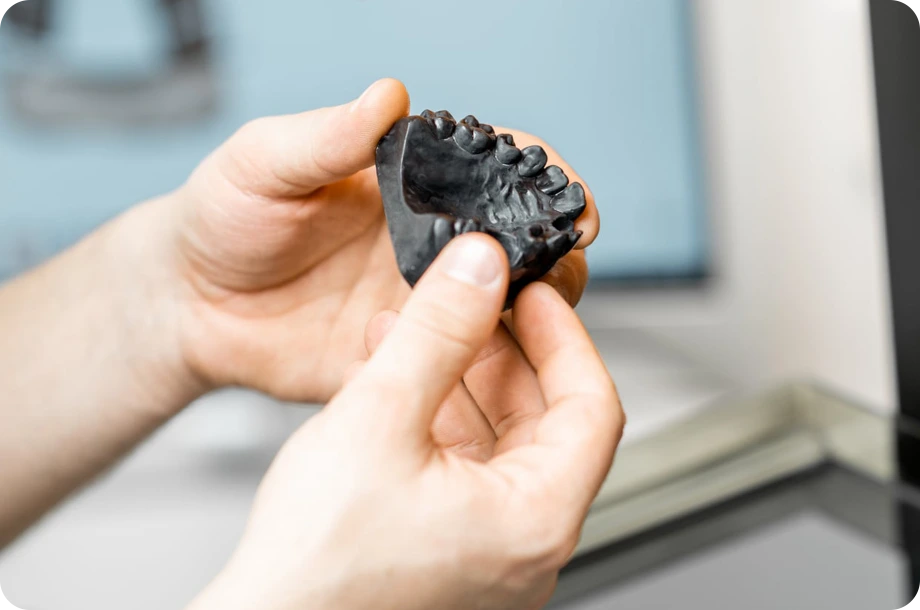

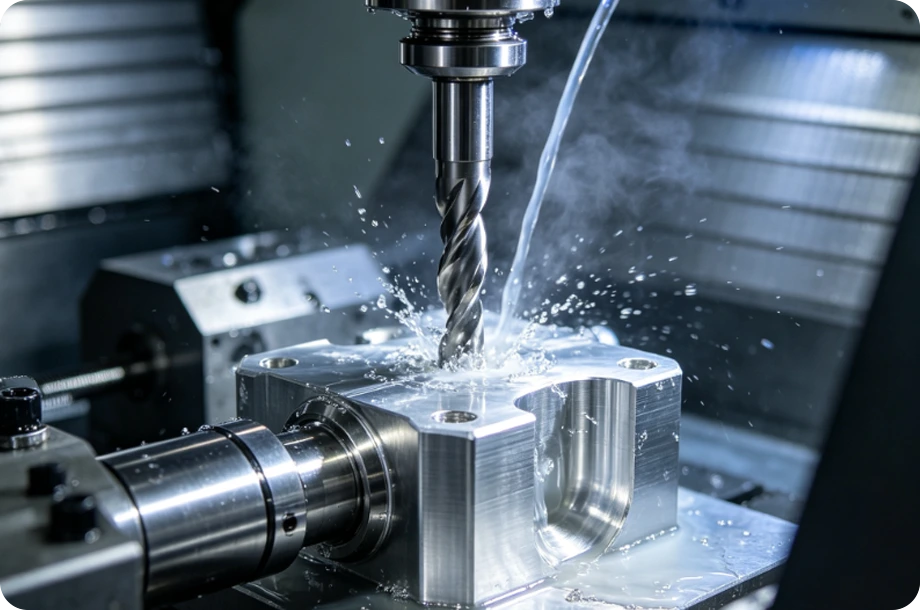
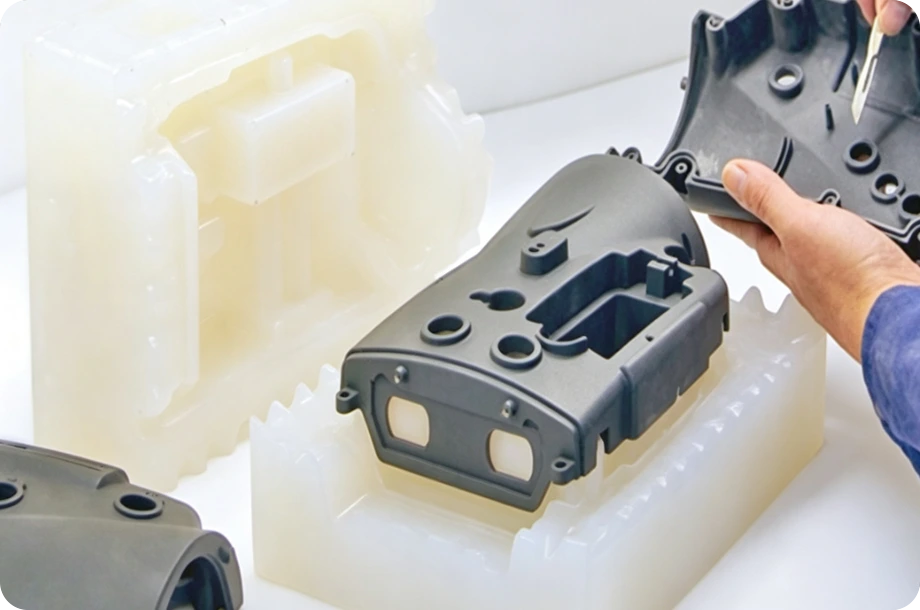
See How We Help Innovators Meet Tight Production Deadlines

"Working with a team that consistently thinks outside the box is a true pleasure. Thanks to their commitment to cutting-edge technology, the tooling they deliver is always on time and performs flawlessly on the very first run."


"While most manufacturing facilities overlook low-volume projects, they treated our small order with the utmost priority. Their team delivered the same level of care and respect usually reserved for long-time, high-volume clients."

“HLH has been a strong partner on our EV programs. They helped us optimize a few key mponents for weight and manufacturability, and they consistently hit the tolerances we need. Their fast turnaround times have kept our development cycles moving, which is critical in EV work.”
Request A Quote
Ready for Pricing? Let’s Get Started.
Please place file(s) for transfer in the same folder and ZIP or RAR before attaching.
Recent Articles/Blog
3D Printing vs, CNC vs. Vacuum Casting
This article compares and contrasts three common manufacturing methods: 3D printing, CNC machining, and vacuum casting.
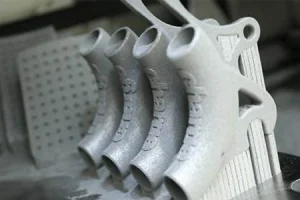
How Much Does 3D Printing Cost?
Learn about 3D printing costs, including in-house vs. outsourcing options, with a free cost calculator and saving tips.
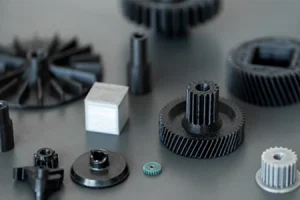
CNC Machining Price Guide
Break down CNC machining prices, learn cost-saving strategies, and compare several major CNC service providers.