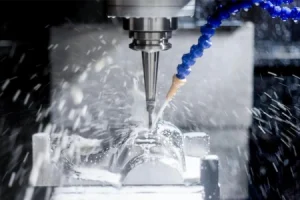

Precision Custom Die Casting Services
From Dongguan, China To Worldwide

Trusted Partner | Multi-ISO Certified Facility
Cost-Efficient Scaling | Consistent Production
IP Protection – FREE DFM – NO MOQ
Why Choose HLH MODEL For Your Die Casting Needs?
Maximize your production efficiency and minimize unit costs with China’s leading rapid manufacturing team. We secure your intellectual property (IP), optimize your designs for production via free DFM feedback, and back your projects with multi-ISO certified quality assurance.
Take the next step in your manufacturing journey. Fill out the form below, upload your STEP, IGES, or solid models, and our senior engineering team will deliver a comprehensive project review and cost breakdown.
Our Die Casting Processes Services
Dual-Engine Casting Technology: Hot vs. Cold Chamber
To optimize manufacturing efficiency, material performance, and cycle times, we utilize both primary automated die casting configurations. Choosing the correct thermal injection method is critical for controlling cooling rates, preventing premature solidification defects, and maximizing tool longevity based on the specific thermodynamic properties of your selected alloy.

Hot Chamber Die Casting (Gooseneck Casting)
Ideally suited for lower-melting-point alloys such as zinc, magnesium, and lead, this highly automated process features an internal furnace and an integrated holding vessel. A specialized plunger mechanics system is submerged directly into the molten metal, forcing the liquid alloy upward through a gooseneck tube and straight into the clamped mold cavity under sustained hydraulic pressure. Because the injection mechanism remains continuously heated at the metal’s melting temperature, this method achieves incredibly fast cycle times, rapid solidification, minimal thermal variance, and clean component ejection—making it the most economical choice for rapid, high-volume hardware production.

Cold Chamber Die Casting
Engineered specifically for alloys with high melting temperatures, such as aluminum, this process keeps the injection shot chamber separate from the melting furnace to protect machinery from severe thermal fatigue. The alloy is melted independently and precisely ladled into an unheated shot chamber at room temperature. A high-pressure hydraulic ram plunger then forces the molten metal into the die cavity, maintaining extreme pressure during solidification. This mechanical isolation allows us to process high-strength, structural metals safely while eliminating internal porosity and ensuring maximum density in the finished metal parts.
Advantages of Die casting
Our advanced foundry capabilities provide direct solutions for complex engineering bottlenecks, helping you transition seamlessly from rapid prototyping to automated mass manufacturing.


Intricate Geometric Freedom
Replicate complex internal pathways, thin-walled structures, and highly detailed features. This process achieves shapes that are impossible or too costly to produce via traditional CNC machining, while drastically reducing the need for secondary assembly operations.
Superior Mechanical Strength
Produce robust metal parts that exhibit exceptional structural rigidity, impact resistance, and thermal tolerance. Cast alloys like aluminum offer excellent strength-to-weight ratios that far outperform plastic injection molded alternatives in demanding, load-bearing environments.
Rigid Tolerances & Consistency
Achieve standard industrial tolerances ranging from ±0.003″ to ±0.005″ per inch. We can hold critical functional limits as tight as ±0.001″ depending on part geometry, ensuring perfect part-to-part uniformity across production runs of thousands of units.
Diverse Custom Surface Finishes
Transition seamlessly from as-cast states to smooth, textured, painted, or electroplated surfaces. Our finishing techniques are designed to optimize aesthetic appearance, provide permanent branding, and build a robust barrier against environmental corrosion.

Industrial Grade Materials Matrix
Metal Materials for Die Cast Parts
Aluminum Alloys: Exceptional strength-to-weight ratio, structural stability, and innate corrosion resistance. Fully recyclable.
Aluminum Alloy is Suitable for Aerospace components, automotive powertrain brackets, and electric vehicle (EV) lightweight housings.
Zinc Alloys: High casting fluidity, lower melting point, extreme stiffness, and the fastest production rates.
Ultra-thin-walled electronics enclosures, intricate gears, and complex cosmetic hardware.
Magnesium Alloys: It has the advantages of high strength, low viscosity, good fluidity, great corrosion resistance and easy filling of complex cavities.
Ultra-thin-walled electronics enclosures, intricate gears, and complex cosmetic hardware.
Engineered for Rigorous Global Industries
Precision Metal Components Trusted by Fortune 500 Companies
Automotive & EV Programs: Impact-resistant brackets, structural modules, and weight-optimized housings that keep vehicle development moving forward.
Medical Technology: High-compliance, dimensionally stable metal components for surgical instrumentation and diagnostic equipment housings.
Aerospace & Industrial: Rugged parts built to withstand environmental stress, extreme temperatures, and strict mechanical loads.
Video display

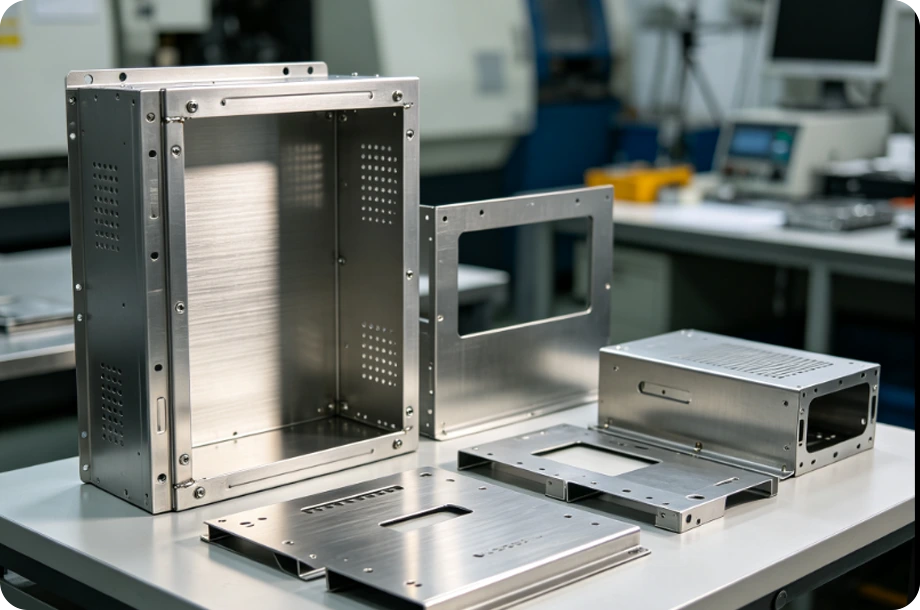
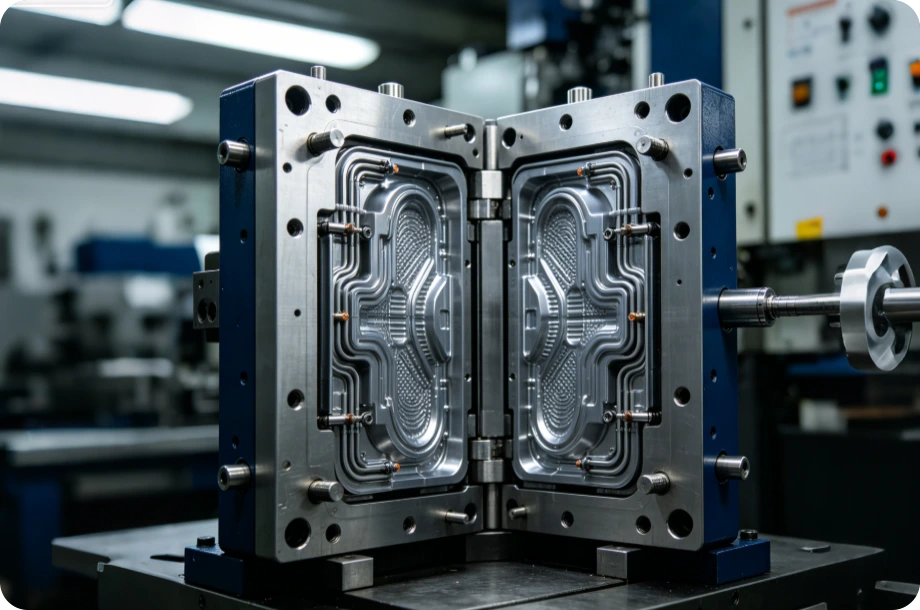
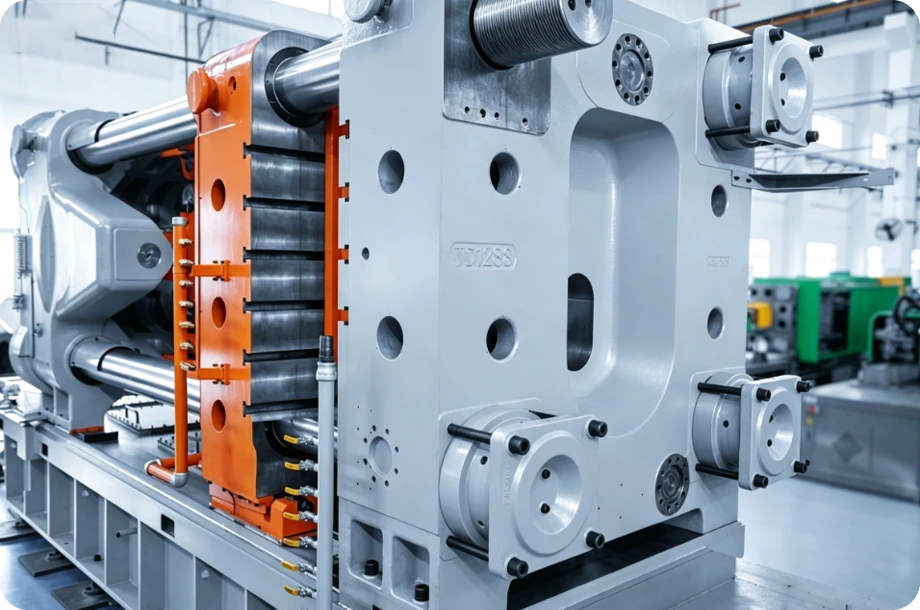
See How We Help Innovators Meet Tight Production Deadlines

"Working with a team that consistently thinks outside the box is a true pleasure. Thanks to their commitment to cutting-edge technology, the tooling they deliver is always on time and performs flawlessly on the very first run."


"While most manufacturing facilities overlook low-volume projects, they treated our small order with the utmost priority. Their team delivered the same level of care and respect usually reserved for long-time, high-volume clients."

“HLH has been a strong partner on our EV programs. They helped us optimize a few key mponents for weight and manufacturability, and they consistently hit the tolerances we need. Their fast turnaround times have kept our development cycles moving, which is critical in EV work.”
Request A Quote
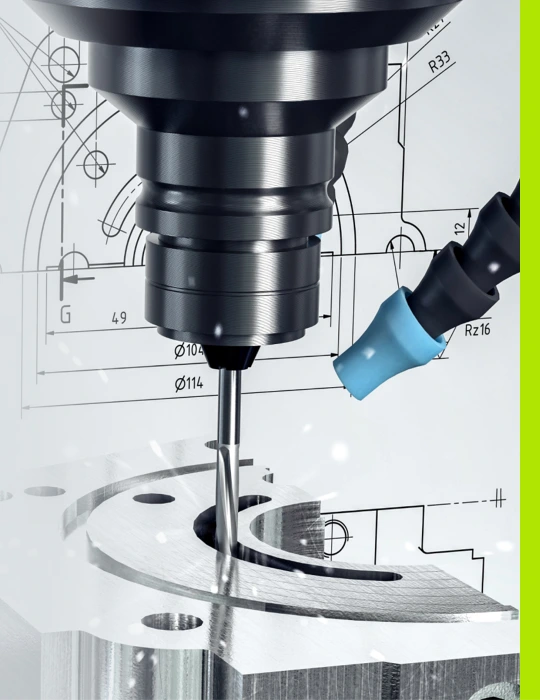
Ready for Pricing? Let’s Get Started.
Please place file(s) for transfer in the same folder and ZIP or RAR before attaching.
Recent Articles/Blog
3D Printing vs, CNC vs. Vacuum Casting
This article compares and contrasts three common manufacturing methods: 3D printing, CNC machining, and vacuum casting.
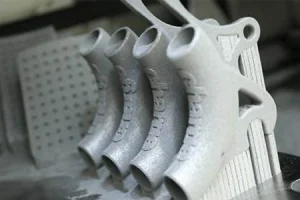
How Much Does 3D Printing Cost?
Learn about 3D printing costs, including in-house vs. outsourcing options, with a free cost calculator and saving tips.
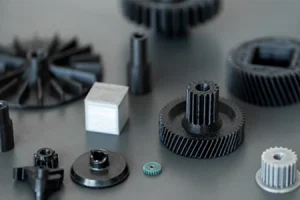
CNC Machining Price Guide
Break down CNC machining prices, learn cost-saving strategies, and compare several major CNC service providers.